Updated April 15, 2026. This article was thoroughly audited by multiple golf experts and coaches for its accuracy. You can read more about our rigorous testing protocol here.
The best draw bias driver includes Cobra DS-Adapt MAX-D, Mizuno ST-X Platinum 230, Cleveland HiBore XL Lite, Tour Edge Hot Launch E524, and Honma T//World TW767 MAX.
A draw bias driver serves golfers who want a right-to-left ball flight through design features that promote a closed clubface at impact. A specialized draw bias driver uses heel-weighted construction to guide the ball along a controlled path that corrects a slice and supports more accurate tee shots.
Players who struggle with directional control gain meaningful consistency when the ball flight follows the intended line. An intense match between swing traits and the best draw bias driver produces confident play and reliable performance.
A correct equipment choice raises scoring potential by helping golfers produce the proper shot shape without major swing adjustments. A well-matched club corrects an open clubface through strategic weighting that guides the ball toward the fairway with greater accuracy.
Amateur golfers gain distance and steadier direction when the club face rotation works with natural mechanics. A dialed-in draw bias driver supports confident swings that lead to more aggressive approaches from positions that create scoring chances across the course.
Golfers evaluating a draw-bias driver benefit from focusing on specific design traits. Adjustability settings allow loft, lie angle, and weight placement changes that match personal swing characteristics.
Forgiveness technology protects ball speed and direction when contact is off-center. Heel-based center-of-gravity placement supports easier face rotation and a consistent right-to-left pattern during impact. Shaft flexibility must match swing speed to create proper launch, spin, and height.
Modern Golf Drivers use lightweight materials and aerodynamic shaping to generate strong clubhead speed near impact. Price matters, although performance value holds greater importance when the club delivers straighter tee shots and steady distance gains.


Best Draw Bias Driver 2026
1. Cobra DS-Adapt MAX-D Driver

Check Price on Amazon
Check Price on PGA Tour Superstore
Check Price on Global Golf
The Cobra DS-Adapt MAX-D Driver is a high-performance draw-biased driver to help golfers correct slices and shape shots with confidence.
DS-Adapt MAX-D is one of the best draw bias drivers because of its adjustable weighting system, closed face angle, and heel-biased configuration, which work together to promote natural draw tendencies while maintaining distance.
Key features supporting draw bias include the 2-degree closed face angle, PWRShell face with Highly Optimized Topology (H.O.T.) Face technology for consistent ball speed on off-center hits, and a carbon fiber crown that lowers the center of gravity and reduces drag.
The Cobra DS-Adapt MAX-D review consistently praises the driver for its versatility and the noticeable draw shape achieved without sacrificing distance performance.
Who is Cobra DS-Adapt MAX-D best for?
Cobra DS-Adapt MAX-D is best for mid to high handicap golfers who struggle with a consistent slice and want an adjustable draw bias that grows with their swing.
The driver suits moderate swing speed players (85 to 100 mph), weekend golfers seeking more fairways hit, and improving golfers who appreciate customization features for long-term performance.
Ratings:
Forgiveness: 4.5/5
Accuracy: 4.5/5
Shot Shaping: 4/5
Distance: 4.5/5
Cobra DS-Adapt MAX-D Specifications
The specifications of Cobra DS-Adapt MAX-D are listed below.
- Loft: 9.5°, 10.5°, 12° with adjustable hosel for ±1.5° adjustment
- Lie: Standard specifications with adjustable hosel modification capabilities
- Shaft Length: 45.5 inches
- Swing Weight: D3–D4, depending on shaft and weight configuration
- Head Size: 460cc
- Adjustable Hosel: Yes
- Left Handed Option: Yes, available in 10.5° and 12° loft options
Cobra DS-Adapt MAX-D Advantages
The advantages of Cobra DS-Adapt MAX-D are listed below.
- Adjustable weighting system from 12g to 16g for personalized draw bias
- PWRShell with H.O.T. Face technology maintains ball speed on off-center hits
- Carbon fiber crown reduces drag and optimizes launch
- A 2-degree closed face angle promotes natural draw bias
Cobra DS-Adapt MAX-D Disadvantages
The disadvantages of Cobra DS-Adapt MAX-D are listed below.
- Adjustability complexity overwhelms some golfers
- Premium pricing
- Aggressive draw bias produces hooks
- Weight adjustment requires tools and knowledge
Pre-owned prices start at $299. Retail price starts at $449 to $499. Save up to 33%.
2. Mizuno ST-X Platinum 230 Driver
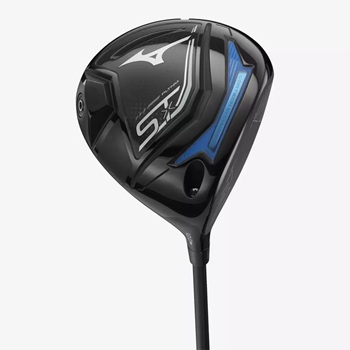
The Mizuno ST-X Platinum 230 Driver is a premium draw-biased driver engineered with Japanese craftsmanship to help golfers correct slice tendencies while providing refined sound and feel.
ST-X Platinum 230 is one of the best draw bias drivers due to its CORTECH Chamber technology, extreme heel weighting, and 3-degree closed face angle that deliver consistent draw patterns without complex adjustments.
Key features of the Mizuno ST-X Platinum 230 Driver supporting draw bias include the 8g heel backweight, waved carbon crown that lowers the center of gravity, and Forged SAT 2041 Beta Ti face for explosive ball speed.
The Mizuno ST-X Platinum 230 review highlights its premium materials, exceptional feel, and reliable draw-promoting design.
Who is the Mizuno ST-X Platinum 230 best for?
Mizuno ST-X Platinum 230 is best for feel- and sound-oriented golfers who want effective slice correction without overwhelming adjustability.
It suits moderate slicers experiencing 10 to 20 yard slices, brand loyalists who value craftsmanship, and aesthetic purists who prefer understated design with refined performance.
Ratings:
Forgiveness: 4/5
Accuracy: 4.5/5
Shot Shaping: 4/5
Distance: 4/5
Mizuno ST-X Platinum 230 Specifications
The specifications of the Mizuno ST-X Platinum 230 are listed below.
- Loft: 9.5°, 10.5°, 11.5° (fixed hosel angles)
- Lie: Standard specifications optimized for draw bias
- Shaft Length: 45.5 inches
- Swing Weight: D2–D3 depending on shaft
- Head Size: 460cc
- Adjustable Hosel: No
- Left Handed Option: Yes, available in 10.5° loft only
Mizuno ST-X Platinum 230 Advantages
The advantages of Mizuno ST-X Platinum 230 are listed below.
- CORTECH Chamber for sound and ball speed
- Extreme heel weighting promotes natural draw bias
- The waved carbon crown lowers the center of gravity
- Premium aftermarket shaft options
- Clean, understated aesthetics
Mizuno ST-X Platinum 230 Disadvantages
The disadvantages of the Mizuno ST-X Platinum 230 are listed below.
- Fixed weighting eliminates customization
- Premium pricing
- Limited left-handed availability
- Aggressive draw bias overpowers mild slicers
Pre-owned prices start at $349. Retail price starts at $549 to $599. Save up to 36%.
3. Cleveland HiBore XL Lite Driver

Check Price on Amazon
Check Price on PGA Tour Superstore
Check Price on Global Golf
The Cleveland HiBore XL Lite Driver is an ultralight draw-biased driver designed for golfers with slower swing speeds who need extra distance and slice correction.
HiBore XL Lite ranks among the best draw bias drivers due to its ultralight construction, fixed heel weighting, and Rebound Frame dual-chassis technology that amplifies ball speed.
Key features of Cleveland HiBore XL Lite Driver include a 2-degree closed face for draw promotion, ultralight graphite shafts for increased swing speed, and a lightweight crown that redistributes mass for forgiveness.
The Cleveland HiBore XL Lite review consistently notes its ability to improve distance and accuracy for slower swingers and senior golfers.
Who is the Cleveland HiBore XL Lite best for?
Cleveland HiBore XL Lite is best for golfers with swing speeds below 95 mph, senior golfers experiencing slower swings, high handicappers (20+), and budget-conscious players seeking lightweight draw bias technology. It is suitable for comeback players needing reduced physical strain.
Ratings:
Forgiveness: 4.5/5
Accuracy: 4/5
Shot Shaping: 3.5/5
Distance: 4.5/5
Cleveland HiBore XL Lite Specifications
The specifications of the Cleveland HiBore XL Lite are listed below.
- Loft: 10.5°, 11.5°, 12.5° (fixed)
- Lie: Standard specifications optimized for game improvement
- Shaft Length: 45.75 inches
- Swing Weight: C8–D0
- Head Size: 460cc
- Adjustable Hosel: No
- Left Handed Option: Yes, available in 10.5° and 12.5° loft options
Cleveland HiBore XL Lite Advantages
The advantages of the Cleveland HiBore XL Lite are listed below.
- Ultralight construction increases swing speed
- Rebound Frame amplifies ball speed
- Affordable pricing
- Ultralight graphite shafts optimized for slower swingers
- A 2-degree closed face promotes draw bias
Cleveland HiBore XL Lite Disadvantages
The disadvantages of the Cleveland HiBore XL Lite are listed below.
- Fixed specifications limit customization
- Tend to feel unstable for faster swingers
- Limited shot-shaping capabilities
- Basic aesthetics
Pre-owned prices start at $179. Retail price starts at $299 to $349. Save up to 40%.
4. Tour Edge Hot Launch E524 Driver
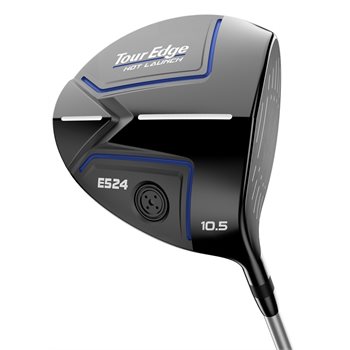
The Tour Edge Hot Launch E524 Driver is an offset draw-biased driver engineered for aggressive slice correction. Hot Launch E524 is one of the best draw bias drivers due to its extreme 40g heel weighting, offset hosel, and Diamond Face VFT technology that maximizes ball speed across the face.
Key features of Tour Edge Hot Launch E524 Driver include a combined 5-degree effective draw bias (3-degree closed face + 2mm offset), a lightweight crown for optimal launch, and a 460cc head for forgiveness.
The Tour Edge Hot Launch E524 review emphasizes its dramatic slice reduction and value-driven performance.
Who is the Tour Edge Hot Launch E524 best for?
Tour Edge Hot Launch E524 is best for severe slicers who lose 25+ yards, high handicappers (25+), golfers needing immediate results, and value-conscious players wanting aggressive performance without premium pricing. It benefits alignment-challenged golfers who struggle with setup.
Ratings:
Forgiveness: 4.5/5
Accuracy: 4.5/5
Shot Shaping: 3/5
Distance: 4/5
Tour Edge Hot Launch E524 Specifications
The specifications of the Tour Edge Hot Launch E524 are listed below.
- Loft: 10.5°, 12°, 13.5° (fixed)
- Lie: Standard specifications with offset hosel
- Shaft Length: 45.5 inches
- Swing Weight: D1–D2 depending on loft
- Head Size: 460cc
- Adjustable Hosel: No
- Left Handed Option: Yes, available in 10.5° and 12° loft options
Tour Edge Hot Launch E524 Advantages
The advantages of the Tour Edge Hot Launch E524 are listed below.
- Extreme 40g heel weighting produces strong draw bias
- Diamond Face VFT maximizes ball speed
- Offset hosel aids alignment
- Exceptional value for performance
- 460cc head for forgiveness
Tour Edge Hot Launch E524 Disadvantages
The disadvantages of the Tour Edge Hot Launch E524 are listed below.
- Tend to produce hooks for neutral or draw swings
- An offset design tends to be visually uncomfortable
- Limited brand recognition
- No adjustability
Pre-owned prices start at $149. Retail price starts at $249 to $299. Save up to 40%.
5. Honma T//World TW767 MAX Driver
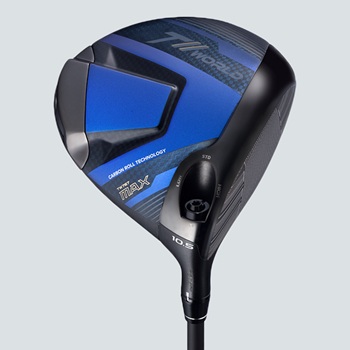
The Honma T//World TW767 MAX Driver is a premium Japanese-engineered draw-biased driver with multi-material construction and Non-Rotating System weights that promote subtle draw bias while maintaining stability.
T//World TW767 MAX is one of the best draw bias drivers due to its CORTECH Chamber Slot design, 1.5-degree closed face angle, and precision craftsmanship.
Key features of the Mizuno ST-X Platinum 230 Driver include a multi-material crown for optimized weight distribution, a variable thickness face for increased ball speed, and an adjustable hosel for ±1° loft and lie adjustments.
The Honma T//World TW767 MAX review highlights its blend of refined performance, premium materials, and effective draw-promoting characteristics.
Who is Honma T//World TW767 MAX best for?
Honma T//World TW767 MAX is best for golfers who value Japanese craftsmanship, subtle draw bias, and premium build quality.
The driver suits mild slicers (8 to 15 yards), better players seeking workability, prestige, and feel-oriented golfers, and players who want refined performance without sacrificing shot-shaping.
Ratings:
Forgiveness: 4/5
Accuracy: 4/5
Shot Shaping: 4.5/5
Distance: 4/5
Honma T//World TW767 MAX Specifications
The specifications of Honma T//World TW767 MAX are listed below.
- Loft: 9.5°, 10.5°, 11.5° (adjustable hosel ±1°)
- Lie: Standard specifications with adjustable hosel modification
- Shaft Length: 45.5 inches
- Swing Weight: D2–D3 depending on shaft and configuration
- Head Size: 460cc
- Adjustable Hosel: Yes
- Left Handed Option: Limited availability, check authorized retailers
Honma T//World TW767 MAX Advantages
The advantages of Honma T//World TW767 MAX are listed below.
- CORTECH Chamber Slot increases ball speed through face flex
- Non-Rotating System weights create balanced draw bias
- Multi-material crown optimizes weight distribution
- Premium Vizard shafts improve feel and performance
- 1.5-degree closed face promotes subtle draw bias
- Adjustable hosel fine-tunes launch conditions
- Exceptional craftsmanship and refined sound
Honma T//World TW767 MAX Disadvantages
The disadvantages of Honma T//World TW767 MAX are listed below.
- Premium pricing
- Subtle draw bias is insufficient for severe slicers
- Limited retail availability
- Price premiums tend to be hard to justify for performance alone
Pre-owned prices start at $399. Retail price starts at $649 to $699. Save up to 38%.
6. Orlimar Slice Killer Offset Driver
No products found.
No products found.
The Orlimar Slice Killer Offset Driver is a specialized draw-biased driver engineered to correct severe slices for high handicap golfers.
Slice Killer Offset ranks among the best draw bias drivers due to its aggressive 3mm offset hosel and extreme heel weighting, which create a strong draw bias without requiring swing changes.
Key features of Orlimar Slice Killer Offset Driver supporting draw bias performance include a 2.5-degree closed face combined with offset for a 4-degree effective draw bias angle and a variable thickness face for consistent ball speed across a large hitting area.
The driver uses strategic weight redistribution that lowers the center of gravity for a higher launch. Lightweight graphite shafts in the 50 to 60g range support moderate swing speeds, while the 460cc head provides maximum forgiveness.
Noticeable improvements in ball flight and control, helping golfers aim left for the first time, are highlighted in the Orlimar Slice Killer Offset Driver review.
Who is Orlimar Slice Killer Offset best for?
Orlimar Slice Killer Offset Driver is best for golfers struggling with severe slices who need immediate correction and affordable draw bias technology. Extreme slicers experiencing 35+ yard slices benefit from the aggressive offset design.
Beginner golfers who fail to control ball flight gain confidence from instant results consistently. Budget-conscious golfers find exceptional value, while visually guided golfers benefit from the offset hosel’s alignment assistance.
Golfers frustrated with persistent slice problems experience renewed enjoyment and ball control.
Ratings:
Forgiveness: 4.5/5
Accuracy: 4.5/5
Shot Shaping: 2.5/5
Distance: 3.5/5
Orlimar Slice Killer Offset Driver Specifications
The specifications of Orlimar Slice Killer Offset are listed below.
- Loft: 10.5°, 12°, 13° (fixed)
- Lie: Standard with offset hosel design
- Shaft Length: 45.5 inches
- Swing Weight: D0–D1 depending on loft
- Head Size: 460cc
- Adjustable Hosel: No
- Left Handed Option: Yes, 10.5° and 12° loft
Orlimar Slice Killer Offset Driver Advantages
The advantages of Orlimar Slice Killer Offset are listed below.
- 3mm offset hosel aids alignment and promotes face closure
- Effective 4-degree draw bias for maximum slice correction
- Affordable pricing for budget-conscious golfers
- Variable thickness face maintains ball speed across the face
- 460cc head provides forgiveness on mishits
- Immediate ball flight improvement builds confidence
- 13-degree loft supports high handicappers’ launch
Orlimar Slice Killer Offset Driver Disadvantages
The disadvantages of the Orlimar Slice Killer Offset are listed below.
- An aggressive offset appears visually uncomfortable
- Extreme draw bias tends to cause hooks for neutral swings
- Limited brand recognition affects resale and replacement parts
- Fixed specifications prevent adjustment as swings improve
Pre-owned prices start at $89. Retail price starts at $149 to $199. Save up to 40%.
7. Cobra Air X Straight Neck Driver
No products found.
No products found.
Check Price on Global Golf
The Cobra Air X Straight Neck Driver is an ultralight draw-biased driver built for golfers with slower swing speeds who need distance gains and slice correction without offset visuals.
It ranks among the best draw-bias drivers because the 277-gram construction increases clubhead speed by 4 to 7 mph while heel weighting produces draw bias naturally.
Key features of Cobra Air X Straight Neck Driver include H.O.T. Face variable thickness design for consistent ball speed, 2-degree closed face for draw bias, and lightweight composite crown for optimized center of gravity.
The Cobra Air X graphite shaft (40 to 50g) suits slower swings, while the 460cc head offers maximum forgiveness.
Added clubhead speed, improved accuracy, and a visually appealing straight-neck design for golfers sensitive to offset appearance are highlighted in the Cobra Air X Straight Neck Driver review.
Who is Cobra Air X Straight Neck best for?
The Cobra Air X Straight Neck Driver is best for golfers with swing speeds below 85 mph seeking draw bias correction without offset visuals. Senior golfers with age-related speed decline benefit from the ultralight design.
Slower swingers with driver speeds of 70 to 90 mph achieve optimal performance. Appearance-conscious golfers prefer the traditional straight-neck look with draw correction.
Golfers accustomed to lightweight irons and woods enjoy similar benefits in a driver. Returning golfers recovering from injury or long breaks experience reduced physical strain while gaining distance.
Ratings:
Forgiveness: 4.5/5
Accuracy: 4/5
Shot Shaping: 3.5/5
Distance: 4.5/5
Cobra Air X Straight Neck Driver Specifications
The specifications of the Cobra Air X Straight Neck are listed below.
- Loft: 10.5°, 11.5° (fixed)
- Lie: Standard for game improvement
- Shaft Length: 45.75 inches
- Swing Weight: C7–C9
- Head Size: 460cc
- Adjustable Hosel: No
- Left Handed Option: Yes, 10.5° and 11.5° loft
Cobra Air X Straight Neck Driver Advantages
The advantages of Cobra Air X Straight Neck are listed below.
- Ultralight 277-gram construction increases swing speed
- H.O.T. Face design creates a larger sweet spot
- Straight neck eliminates offset look while maintaining draw bias
- A 2-degree closed face promotes draw bias subtly
- Lightweight graphite shaft designed for slower swings
- Reduced crown weight optimizes the center of gravity
- 460cc head maximizes forgiveness
Cobra Air X Straight Neck Driver Disadvantages
The disadvantages of the Cobra Air X Straight Neck are listed below.
- Feels unstable for swings above 90 mph
- Fixed specifications limit future adjustments
- Only two loft options restrict choice
- Draw bias is insufficient for extreme slicers
Pre-owned prices start at $199. Retail price starts at $349 to $399. Save up to 43%.
8. VLS Maxvert 1 Driver

The VLS Maxvert 1 Driver is a draw-biased driver with vertical face technology that increases forgiveness and promotes natural draw bias.
It ranks among the best draw bias drivers because the vertical face extends the effective hitting area by 12%, maintaining 92% ball speed on high strikes, while heel-weighted positioning creates a predictable draw across the face.
Key features include extended vertical dimensions for forgiveness, a 2-degree closed face angle for draw bias, and lightweight material redistribution to the heel and perimeter for optimized performance.
Consistent results on high and low strikes, reducing topped drives, and producing reliable contact are highlighted in the Maxvert 1 Driver review.
Who is Maxvert 1 best for?
Maxvert 1 Driver is best for golfers who struggle with vertical strike consistency and need forgiveness with draw bias correction. Inconsistent contact players benefit from an enlarged sweet spot.
High-tee hitters maintain performance on elevated strikes. Golfers open to unconventional design and technology adoption gain value from its unique face geometry.
Players experiencing slice tendencies and topped drives achieve dual correction, while forgiveness-focused golfers gain tolerance for off-center hits.
Ratings:
Forgiveness: 5/5
Accuracy: 4/5
Shot Shaping: 3/5
Distance: 4/5
Maxvert 1 Driver Specifications
The specifications of Maxvert 1 are listed below.
- Loft: 10.5°, 12° (fixed)
- Lie: Standard optimized for forgiveness
- Shaft Length: 45.5 inches
- Swing Weight: D0–D1
- Head Size: 460cc
- Adjustable Hosel: No
- Left Handed Option: Limited, check authorized retailers
Maxvert 1 Driver Advantages
The advantages of Maxvert 1 are listed below.
- Vertical face increases the effective sweet spot by 12%
- Maintains 92% ball speed on high-face strikes
- Heel weighting produces natural draw bias
- Forgiveness across high and low strikes
- Weight redistribution improves overall forgiveness
- 2-degree closed face maintains shot-shaping versatility
- Corrects vertical strike inconsistency
Maxvert 1 Driver Disadvantages
The disadvantages of Maxvert 1 are listed below.
- Unconventional appearance tends to cause discomfort to traditional golfers
- Limited retail availability
- Fixed specifications limit adjustability
- A relatively unknown brand affects resale and parts
Pre-owned prices start at $129. Retail price starts at $249 to $299. Save up to 48%.
9. TaylorMade Stealth 2 HD Driver
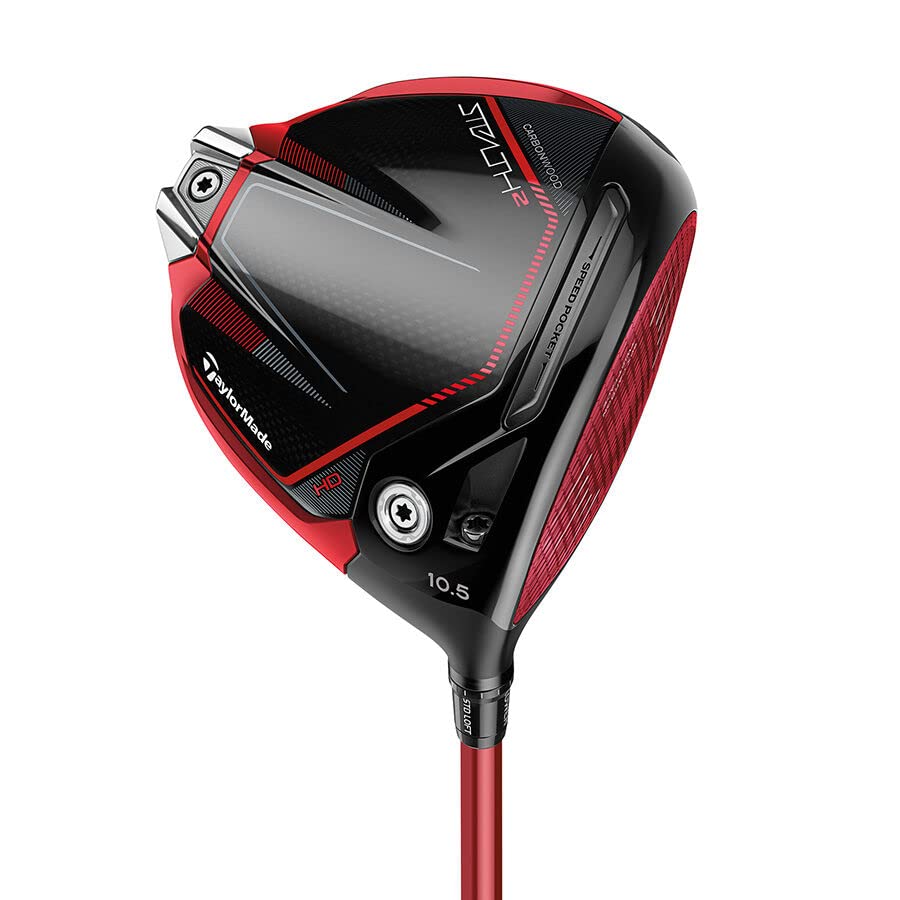
The TaylorMade Stealth 2 HD Driver is a high-draw-biased driver featuring 60-layer carbon face technology and 20-gram heel weighting for slice correction.
Stealth 2 HD ranks among the best draw bias drivers because carbon construction saves weight for redistribution to the heel, while Twist Face and Thru-Slot Speed Pocket optimize ball speed on mishits.
Key features of TaylorMade Stealth 2 HD Driver include a 3-degree closed face for aggressive draw, a carbon crown for weight savings, and a 460cc head for forgiveness.
The slice reduction of 15 to 22 yards and strong ball speeds matching or exceeding previous drivers are highlighted in the TaylorMade Stealth 2 HD Driver review.
Who is the TaylorMade Stealth 2 HD best for?
TaylorMade Stealth 2 HD Driver is best for golfers seeking draw bias correction from major brand technology, who are willing to invest in premium equipment.
Brand-conscious slicers wanting proven technology gain confidence. Moderate to severe slicers experiencing 12 to 25-yard slices benefit from aggressive heel weighting.
Technology enthusiasts gain cutting-edge face innovations combined with drawing bias. TaylorMade loyalists maintain that consistency across their bag. Premium buyers achieve top-tier performance and materials.
Ratings:
Forgiveness: 4.5/5
Accuracy: 4.5/5
Shot Shaping: 3.5/5
Distance: 4.5/5
TaylorMade Stealth 2 HD Driver Specifications
The specifications of the TaylorMade Stealth 2 HD are listed below.
- Loft: 10.5°, 12° (fixed)
- Lie: Standard for draw bias
- Shaft Length: 45.75 inches
- Swing Weight: D2–D3
- Head Size: 460cc
- Adjustable Hosel: No
- Left Handed Option: Yes, 10.5° only
TaylorMade Stealth 2 HD Driver Advantages
The advantages of the TaylorMade Stealth 2 HD are listed below.
- 60-layer carbon face increases ball speed
- 20-gram heel weighting creates aggressive draw
- A 3-degree closed face promotes draw bias
- Twist Face corrects the gear effect on mishits
- Thru-Slot Speed Pocket improves low-face strikes
- Carbon crown enables weight redistribution
- Major brand backing provides confidence
TaylorMade Stealth 2 HD Driver Disadvantages
The disadvantages of the TaylorMade Stealth 2 HD are listed below.
- Premium pricing
- Fixed specifications prevent adjustment
- Distinctive sound signature divides opinions
- Limited left-handed options
Pre-owned prices start at $299. Retail price starts at $529 to $599. Save up to 43%.
10. Callaway Paradym Ai Smoke Max D Driver
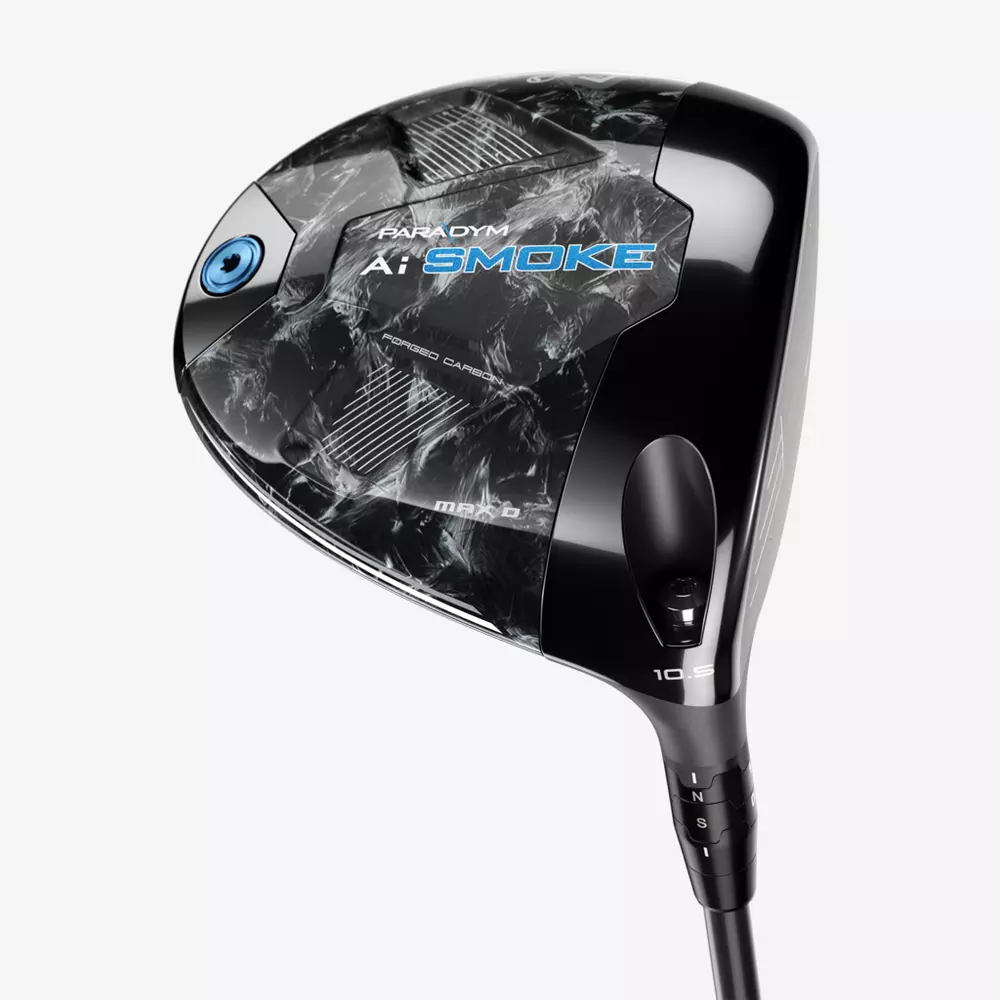
The Callaway Paradym Ai Smoke Max D Driver is an AI-designed draw-biased driver using Callaway’s Ai Smart Face technology to optimize ball speed and forgiveness.
It ranks among the best draw bias drivers because the 17-gram adjustable rear weight with heel-biased center of gravity produces predictable draw, while AI-designed face patterns create 23% more high-speed ball speed area.
Key features of the Callaway Paradym Ai Smoke Max D Driver include a 2-degree closed face for draw bias, a carbon composite crown for weight redistribution, and Jailbreak Batwing for energy transfer.
The slice reduction of 12 to 18 yards and increased ball speed of 2 to 3 mph over previous generation drivers are highlighted in the Callaway Paradym Ai Smoke Max D Driver review.
Who is Callaway Paradym Ai Smoke Max D best for?
Callaway Paradym Ai Smoke Max D Driver is best for golfers seeking advanced AI-driven draw bias technology who are willing to invest in premium equipment.
Technology-focused players valuing AI innovation gain performance benefits. Mild to moderate slicers experiencing 10 to 18-yard slices benefit from balanced correction.
Distance-oriented golfers achieve measurable gains from optimized ball speeds. Callaway loyalists maintain integration with existing clubs. Premium buyers receive top-tier technology and major brand backing.
Ratings:
Forgiveness: 4.5/5
Accuracy: 4.5/5
Shot Shaping: 4/5
Distance: 5/5
Callaway Paradym Ai Smoke Max D Driver Specifications
The specifications of Callaway Paradym Ai Smoke Max D are listed below.
- Loft: 9°, 10.5°, 12° (adjustable ±2°)
- Lie: Standard with adjustable hosel
- Shaft Length: 45.5 inches
- Swing Weight: D2–D4
- Head Size: 460cc
- Adjustable Hosel: Yes
- Left Handed Option: Yes, 9°, 10.5°, 12°
Callaway Paradym Ai Smoke Max D Driver Advantages
The advantages of Callaway Paradym Ai Smoke Max D are listed below.
- Ai Smart Face creates 23% more high-speed area
- Adjustable rear weight and heel bias produce a customizable draw
- A 2-degree closed face promotes draw bias
- Jailbreak Batwing increases energy transfer for distance
- Adjustable hosel allows ±2° loft and lie modifications
- Premium aftermarket shafts improve performance
- Carbon composite crown redistributes weight efficiently
Callaway Paradym Ai Smoke Max D Driver Disadvantages
The disadvantages of Callaway Paradym Ai Smoke Max D are listed below.
- Premium pricing at the market’s top end
- Adjustability adds complexity for casual golfers
- Moderate draw bias is insufficient for extreme slicers
- Weight adjustment requires tools and understanding
Pre-owned prices start at $399. Retail price starts at $599 to $649. Save up to 33%.
How does Golf Influence Tests the Best Draw Bias Driver?
Golf Influence tests the best draw bias driver by conducting thorough evaluations that combine precise data collection with real-world performance analysis across multiple environments.
Testing begins with indoor launch monitor sessions that record ball flight characteristics, clubhead metrics, and impact patterns under controlled conditions. Drivers are tested outdoors to account for variables (weather, turf interaction, and temperature differences).
Golfers with different swing speeds, skill levels, and slice tendencies participate in testing to ensure performance consistency across the intended user base.
Forgiveness is measured by ball speed retention on off-center strikes, while accuracy is assessed by analyzing shot dispersion, fairway hit percentages, and slice correction effectiveness.
Shot shaping capabilities are documented using launch monitor data, capturing spin axis, side spin rates, and ball flight curvature, and distance is evaluated by combining carry yardage with total rollout to provide a complete performance picture.
Golf Influence examines physical and design characteristics that contribute to drawing bias effectiveness.
Face angle measurements determine how closed the clubface sits at address, while weighting systems are analyzed for mass distribution, adjustability, and center of gravity placement.
Construction quality is evaluated through material analysis, extended hit testing, and assessments of sound and feel. Visual elements (offset, alignment aids, and aesthetics) are documented for their impact on setup confidence.
Launch conditions are tracked for launch angle, spin rate, and initial ball speed across multiple swing profiles to match drivers with specific golfer types. Adjustability features are tested for ease of use and meaningful performance benefits.
Price-to-performance ratios are assessed, and verified customer feedback supplements laboratory results.
The testing methodology ensures consistency, checks manufacturer claims, and evaluates shot versatility, resulting in final rankings that reflect forgiveness, distance, draw bias effectiveness, adjustability, and value for golfers seeking the best draw bias driver.
What Factors should be Considered When Choosing a Draw Bias Driver?
Factors that should be considered when choosing a draw bias driver are listed below.
- Degree of Draw Bias: Match the draw bias strength to slice severity, choosing subtle correction for mild slices and aggressive correction for severe slicing issues.
- Face Angle: Evaluate the closed face angle at address to ensure it promotes confidence and proper swing execution without creating discomfort.
- Weighting System: Consider heel-weighted configurations and adjustability to determine whether fixed or customizable weights provide optimal draw bias.
- Offset Design: Assess the visual and functional impact of offset hosels, weighing alignment assistance against aesthetic preferences.
- Forgiveness Level: Prioritize high moment of inertia and advanced face technologies to maintain ball speed and accuracy on off-center strikes.
- Swing Speed Compatibility: Select driver weight, shaft characteristics, and loft options that match swing speed to optimize launch and distance.
- Adjustability Options: Examine the ability to modify loft, lie, and weight positions, balancing long-term customization against ease of use.
- Launch Characteristics: Align the driver’s natural launch angle and spin rate with swing tendencies to achieve consistent, optimal ball flight.
- Club Weight: Test total driver weight to find the balance between swing speed generation and control across different swing profiles.
- Shaft Specifications: Match shaft flex, weight, torque, and kick point to swing tempo and loading patterns for reliable performance.
- Budget Constraints: Evaluate cost versus performance benefits, determining whether premium features justify investment or value models suffice.
- Brand Reputation: Consider the manufacturer’s history, warranty, and customer service quality for long-term ownership satisfaction.
- Aesthetic Preferences: Ensure visual appeal at address supports confidence and consistent setup habits.
- Workability Requirements: Balance draw bias strength with the ability to shape shots for golfers seeking shot versatility intentionally.
- Physical Condition: Factor in age, strength, flexibility, and injury history to choose a driver that reduces strain while maintaining performance.
What is the Draw Bias Driver? The draw bias driver is a specialized golf club engineered with specific design features that promote a right-to-left ball flight for right-handed golfers through strategic weight distribution and face angle positioning.
The driver combats slice tendencies by incorporating heel-weighted configurations that encourage the clubface to rotate closed through the impact zone, naturally producing the desired draw shape.
Design elements work together to correct the open clubface position at impact that causes slices, allowing golfers to achieve straighter or slightly curved left trajectories without making significant swing changes.
The draw bias driver serves golfers who consistently lose distance and accuracy due to balls curving excessively to the right, providing equipment-based correction that complements swing improvement efforts.
What is the Best Budget-Friendly Draw Bias Driver?
The best budget-friendly draw bias driver is the Tour Edge Hot Launch E524 Driver. A budget-friendly draw bias driver refers to an affordable golf club engineered with weighted features that help golfers struggling with a slice hit straighter or draw-shaped shots without high costs.
The Tour Edge Hot Launch E524 Driver combines heel-weighted offset design and Houdini Sole Technology to square the clubface at impact and promote straighter ball flight for slower to moderate swing speeds.
The Diamond Face VFT maximizes ball speed even on mishits, offering forgiving performance for recreational golfers who want slice correction at an accessible price point.
Tour Edge Hot Launch E524
Retail Price: $249.99 | Pre-owned Price: $199.99
What is the Best Draw Bias Driver for Distance?
The best draw bias driver for distance is the Callaway Paradym Ai Smoke Max D Driver.
A draw bias driver for distance is a club to correct slices by promoting right-to-left ball flight for right-handed golfers while maximizing total yardage through advanced face designs and aerodynamics.
The Callaway Paradym Ai Smoke Max D Driver uses Ai Smart Face technology to create multiple high-speed sweet spots and redistributes weight through a 360-degree Carbon Chassis for forgiveness and draw bias.
The combination of these features delivers a golf driver for distance that provides accuracy and impressive total yardage for golfers seeking longer drives.
Callaway Paradym Ai Smoke Max D
Retail Price: $599.99 | Pre-owned Price: $289.99
What is the Most Forgiving Draw Bias Driver?
The most forgiving draw-bias driver is the Mizuno ST-X Platinum 230 Driver. The most forgiving draw bias driver refers to a club that blends slice-correcting draw bias with maximum stability and error tolerance across the face, helping golfers maintain distance and accuracy even on off-center hits.
The Mizuno ST-X Platinum 230 Driver features CORTECH Chamber technology to absorb stress, a lightweight Helium Platinum shaft to boost clubhead speed, and X-Axis weighting that positions mass in the heel and toe for reliable draw bias.
The combination of Forged SAT2041 Beta-Ti Face and strategic weighting makes it one of the most forgiving drivers for golfers needing maximum help with slice correction.
Mizuno ST-X Platinum 230
Retail Price: $499.99 | Pre-owned Price: $289.99
What is the Best Draw Bias Driver for High Handicappers?
The best draw bias driver for high handicappers is the Cleveland HiBore XL Lite Driver.
A draw bias driver for high handicappers is a club built for golfers with higher scores who need maximum slice correction through forgiving construction, easy launch, and built-in weighting that promotes straighter or draw-shaped ball flight.
The Cleveland HiBore XL Lite Driver has an AI-assisted triangular chassis providing one of the largest sweet spots, draw-biased internal weighting, and an offset design that helps high handicappers square the clubface.
Houdini Sole Technology positions the weight low and deep for effortless launch, while MainFrame XL variable face thickness maximizes ball speed, making it an outstanding golf driver for high-handicappers seeking forgiveness, distance, and slice correction.
Cleveland HiBore XL Lite
Retail Price: $399.99 | Pre-owned Price: $299.99
What is the Best Draw Bias Driver for Mid-Handicappers?
The best draw bias driver for mid-handicappers is the TaylorMade Stealth 2 HD Driver.
A draw bias driver for mid-handicappers is a club offering a balance of workability and forgiveness, helping golfers with moderate skill correct occasional slices while supporting shot shaping and consistency improvements.
The TaylorMade Stealth 2 HD Driver uses a Carbon Reinforced Composite Ring and 60X Carbon Twist Face to maintain high ball speed across the face, while the Inertia Generator near the heel creates draw bias and high MOI.
The combination provides versatile performance that makes it an excellent golf driver for mid-handicappers working to refine their games and maintain straighter drives.
TaylorMade Stealth 2 HD
Retail Price: $599.99 | Pre-owned Price: $192.37
What is the Best Draw Bias Driver for Beginners?
The best draw bias driver for beginners is the Orlimar Slice Killer Offset Driver. A draw bias driver for beginners refers to a golf club designed to help new golfers who struggle with slicing hit straighter shots with minimal skill adjustment.
The Orlimar Slice Killer Offset Driver features an aggressive 3mm offset hosel and extreme heel weighting that positions the clubface for easier square impact, helping beginners correct slice tendencies naturally.
Lightweight graphite shafts and a 460cc head provide forgiveness and easy launch, making it an excellent option for golf drivers for beginners who need confidence and consistency from the first swing.
Orlimar Slice Killer Offset
Retail Price: $149 to $199 | Pre-owned Price: $89
What is the Best Draw Bias Driver for Seniors?
The best draw bias driver for seniors is the Cobra Air X Straight Neck Driver. A draw bias driver for seniors is a club engineered for older golfers who tend to have slower swing speeds and need assistance producing straighter drives without physical strain.
The Cobra Air X Straight Neck Driver features ultralight construction at 277 grams, a heel-weighted configuration for natural draw bias, and H.O.T. Face technology that creates a larger sweet spot for consistent ball speed.
Seniors experience more straightforward swing mechanics and better launch angles, making it one of the most effective drivers for seniors who want performance without heavy clubs.
Cobra Air X Straight Neck
Retail Price: $349 to $399 | Pre-owned Price: $199
What is the Best Draw Bias Driver for Women?
The best draw bias driver for women is the Maxvert 1 Driver. A draw bias driver for women is a club to help female golfers generate straighter shots with forgiving features suitable for moderate swing speeds.
The Maxvert 1 Driver incorporates vertical face technology, lightweight graphite shafts, and heel-biased weighting to promote draw bias naturally while keeping ball speeds consistent across high and low strikes.
Women benefit from an easier launch and predictable ball flight, making it one of the best golf drivers for women who want performance, consistency, and slice correction in a manageable setup.
Maxvert 1
Retail Price: $249–$299 | Pre-owned Price: $129
What is the Best Draw Bias Driver for Left-Handed Players?
The best draw bias driver for left-handed players is the Cleveland HiBore XL Lite Driver. A draw bias driver for left-handed players refers to a club explicitly built for left-handed golfers needing forgiveness and slice correction without compromising distance or launch.
The Cleveland HiBore XL Lite Driver provides draw-biased internal weighting, offset design, and ultra-forgiving construction to help left-handed golfers square the clubface and achieve straighter drives.
Houdini Sole Technology and MainFrame XL face design ensure easy launch and consistent ball speed, making it one of the most reliable left-handed golf drivers for higher-handicap or beginner left-handed golfers.
Cleveland HiBore XL Lite
Retail Price: $399.99 | Pre-owned Price: $299.99
What are the Top brands for Draw Bias Drivers?
The top brands for draw bias drivers are listed below.
- Callaway: Callaway delivers some of the strongest draw-bias driver designs through advanced face technology created with artificial intelligence. Callaway engineers use swing data from thousands of golfers to map Smart Face patterns that support faster ball speed and easier face rotation for slice correction. The Paradym Ai Smoke Max D places weight in the heel and uses adjustable sole weights to refine shot shape for golfers needing straighter drives. Callaway Golf ranks as one of the top golf brands because the Max D models consistently produce dependable left-leaning ball flights while maintaining strong distance performance.
- Ping: Ping produces reliable draw-bias drivers through the SFT line that focuses on stability and slice correction for golfers who fight right-curving shots. Ping engineers create a draw bias by pairing upright lie angles with tungsten heel weighting that helps golfers square the clubface at impact. The G430 SFT offers adjustable weight positions that shift between standard draw and super-draw settings to fit different swing needs. Ping Golf maintains a strong reputation among high handicappers because the G430 SFT produces one of the most effective draw patterns tested in recent years.
- TaylorMade: TaylorMade designs high-performing draw bias drivers with the Stealth 2 HD and Qi35 Max, which use advanced carbon construction to move weight toward the heel for easier face rotation. The Carbonwood structure frees up mass for heel-side placement while maintaining stability across the entire face. The Qi35 Max uses the Inertia Generator to support high forgiveness and predictable draw patterns for golfers who want straighter drives without losing ball speed. TaylorMade Golf remains a trusted choice for golfers wanting a responsive feel paired with dependable draw correction.
- Cobra: Cobra offers versatile draw bias drivers through the DS-Adapt MAX-D and Air X Straight Neck, which support golfers across different swing speeds. The DS-Adapt MAX-D provides 33 adjustable settings through the FutureFit33 system, allowing golfers to fine-tune draw bias with precise control. Cobra engineers combine upright lie angles with heel-side weighting to help golfers square the face more easily on impact. The DS-Adapt MAX-D serves golfers who want a powerful draw bias option without changing their swing rhythm.
- Mizuno: Mizuno creates refined draw-bias drivers like the ST-X Platinum 230 that blend craftsmanship with modern design. The CORTECH Chamber positions dense material toward the heel to increase draw bias while maintaining solid face response. Expanded carbon areas in the toe lighten the structure and shift mass strategically toward the heel for more accurate draw patterns. Mizuno appeals to golfers seeking a combination of smooth feel, dependable slice correction, and traditional Japanese build quality.
- Cleveland: Cleveland provides high-forgiveness draw-bias drivers geared toward high handicappers who struggle to square the clubface. The HiBore XL Lite uses offset hosels, internal heel weighting, and the Houdini Sole to position mass deep and low for easy launch. MainFrame face technology supports consistent ball speed across one of the industry’s largest effective hitting zones. Cleveland offers dependable slice correction for golfers who want an affordable and confidence-building driver.
- Tour Edge: Tour Edge delivers strong draw bias performance at budget-friendly prices through models like the Hot Launch E524. Diamond Face VFT technology supports fast ball speed while the Houdini Sole helps golfers launch the ball easily with consistent height. Heel-side weighting and offset design give recreational golfers better control of face angle, producing straighter shots with minimal effort. Tour Edge stands out among top golf brands for golfers who want reliable slice correction without paying premium prices.
What New Technologies make Draw Bias Drivers Stand Out?
The new technologies that make draw bias drivers stand out are PWR-COR weighting, CNC milled face construction, carbon crown design, adjustable hosel systems, offset shaping, and extreme ball-busting power generation.
PWR-COR technology uses steel, titanium, and aluminum to shift mass low and forward in the head to lower spin and increase ball speed for more substantial distance.
The CNC-milled face delivers a precise and consistent striking surface because computer-guided milling controls every thickness point to maintain reliable speed across the entire face.
The carbon crown replaces heavy titanium with lightweight carbon fiber to free up mass that gets redistributed deeper in the head for higher launch and greater forgiveness.
The adjustable hosel gives golfers control over loft and lie settings through multiple sleeve positions, so the ball flight matches the golfer’s swing. The offset design sets the head slightly behind the shaft to help golfers square the face at impact and produce a natural draw pattern.
The extreme ball-busting performance comes from the combined force of all these innovations working together to deliver faster swings, stronger ball speed, straighter shots, and longer distance.
When is the Right Time to Upgrade to a New Draw Bias Driver?
The right time to upgrade to a new draw bias driver depends on testing results, visible wear, and advances in golf technology.
Golfers benefit from testing a current driver against newer models after five years because modern engineering delivers stronger ball speed, greater stability, and more reliable slice correction.
Frequent drivers who hit dozens of tee shots per week experience gradual face fatigue that reduces rebound strength, which makes a 4 to 5-year replacement cycle practical, while occasional golfers stretch that cycle to seven years or longer.
A launch monitor session at a golf shop provides precise numbers on ball speed, spin, carry, and dispersion, giving golfers objective evidence of performance loss.
A golfer whose swing evolves through speed training or natural aging reaches a point where the current driver no longer matches the swing profile, even if the head shows minimal wear.
An adjustable hosel extends usefulness by allowing loft and lie tuning, yet a complete upgrade becomes necessary once performance drops or a swing change creates a mismatch.
How do Draw Bias Drivers Rank in Terms of Performance and Forgiveness?
Draw bias drivers rank in terms of performance and forgiveness by using high moment of inertia structures that resist twisting and maintain energy on off-center hits.
Modern draw bias models reach or exceed 9,000 grams per centimeter squared, which stabilizes the face through impact and keeps mis-hits online.
Independent performance tests show strong distance scores from top draw bias designs because weight placement in the heel produces natural face rotation, while rear weighting increases launch and improves directional control.
A premium draw bias head maintains reliable ball speed across the entire face, even when strikes land on the high toe or low heel, which creates dependable carry numbers for a wide range of swing speeds.
Adjustable weight systems allow golfers to fine-tune the amount of draw help required, giving a single driver the ability to maintain high ranks for forgiveness and accuracy as swing mechanics improve.
How has Draw Bias Driver Performance Improved Over the Years?
Draw bias driver performance improved over the years through advancements in CNC-milled faces, PWR-COR weighting, carbon crown construction, and adjustable draw bias systems, turning these clubs from basic slice-correction tools into high-performance distance machines.
CNC milled faces evolved from basic 8-step milling in early models to multi-zone AI-optimized patterns that cover the entire face, producing consistent ball speed on every strike.
PWR-COR weighting advanced from simple heel tungsten placements to steel, titanium, and aluminum combinations with forward-biased positioning, allowing precise control of spin and ball flight.
Carbon crown construction progressed from small 5-ply designs to 360-degree carbon composites that save weight and allow engineers to redistribute mass for higher launch and forgiveness.
Adjustable draw bias systems developed from fixed heel weights to fully customizable moveable weights and hosel settings, giving golfers the ability to fine-tune slice correction from mild to extreme.
Year-over-year improvements have increased average ball speed, expanded draw bias potential, and raised the moment of inertia, all while maintaining forgiveness on off-center hits.
These innovations ensure modern draw bias drivers deliver straighter, longer drives with performance rivaling neutral drivers.
The evolution of draw bias driver technologies and their year-over-year improvements are shown in the table below.
| Technology Feature | Early Generation (2017 to 2019) | Mid Generation (2020 to 2022) | Current Generation (2023 to 2025) |
| CNC Milled Face | Basic milling on select models took 25 minutes per head and had 3% thinner faces than hand-polished versions | Infinity Face design expanded the milled area by 95% and improved consistency across the entire face with precision to legal thickness limits | Advanced multi-zone milling used AI-optimized thickness patterns covering the complete face and improved energy transfer on all impact locations |
| PWR-COR Weighting | Basic heel-weighting used fixed tungsten weights, 23 grams typical, and a single-position design with limited adjustability | Multi-material combinations were introduced with adjustable front and back positioning, and 25 to 40 grams total discretionary weight | Advanced PWR-COR used steel, titanium, and aluminum with forward-biased positioning for low spin and up to 50+ grams of optimized weight placement |
| Carbon Crown | 5-ply carbon fiber saved 4 to 10 grams, and the traditional crown-only design covered 30% to 40% of the body | Carbon wrap designs extended around the body with 50% coverage, 25 grams of weight savings, and improved rigidity with PWR ridges | Thin-ply carbon was 30% thinner than the previous generation, with whole composite bodies on premium models and 360-degree carbon structures, saving 30+ grams |
| Draw Bias Adjustments | Fixed heel weighting only and closed face angles of 1 to 2 degrees offered no customization options | Moveable heel weights and adjustable hosels with 8 to 16 settings were available with Draw vs Draw+ positioning options | Fully adjustable systems offered 33+ hosel settings and customizable weight kits of 1 to 12 grams with fine-tuned draw bias from mild to extreme |
| Year-Over-Year Performance | Ball speeds averaged 160 to 163 mph with 15 to 25 yards draw bias vs neutral, and MOI around 4,500 to 5,000 | Ball speeds averaged 163 to 165 mph with 25 to 30 yards of draw bias capability and MOI reaching 5,200 to 9,000 range | Ball speeds averaged 165 to 168 mph with adjustable draw up to 35 yards and MOI exceeding 10,000 while maintaining forgiveness with increased speed |
How to Choose the Right Shaft for Better Performance with Draw Bias Drivers?
To choose the right shaft for better performance with draw bias drivers, follow the steps listed below.
- Measure Swing Speed. Test the driver swing speed using a launch monitor to determine whether a slower, moderate, or fast swing speed requires a senior, regular, stiff, or extra-stiff shaft.
- Evaluate Launch Angle. Select a shaft that matches the desired launch height, as higher launch shafts help slower swingers get more carry, while lower launch shafts suit faster swingers to control trajectory.
- Check Spin Rates. Choose a shaft that delivers optimal spin for the golfer’s swing, because too much spin reduces distance and too little spin decreases carry and accuracy.
- Assess Shaft Weight. Pick a shaft weight that balances control and speed, with lighter shafts increasing clubhead velocity for slower swings and heavier shafts improving stability for faster swings.
- Test Flex Responsiveness. Hit different shaft flex options on a launch monitor to see how each affects ball flight, trajectory, and feel, ensuring the selected shaft produces consistent draw bias performance.
- Match Shaft to Loft. Ensure the shaft flex complements the driver loft, because proper pairing maintains ideal launch conditions, helping the ball fly straighter and farther.
- Consider Swing Tempo. Observe how the shaft responds to swing rhythm, as smoother swings perform best with regular flex, while aggressive swings require stiffer flex to maintain face control.
- Seek Professional Fitting. Visit a golf shop or club fitter to receive data-driven recommendations, because expert analysis confirms the shaft aligns with swing speed, launch, and spin requirements.
- Test Multiple Brands. Try different shafts from multiple manufacturers, because slight design variations affect bend profile, torque, and feel, all influencing draw bias effectiveness.
- Review Feedback and Specs. Check shaft specifications and Golf Influence reviews to confirm past performance and suitability, ensuring the chosen shaft maintains consistent performance with the draw-bias driver.
What Role does Shaft Flex Play in Maximizing Performance in Draw Bias Drivers?
Shaft flex describes how much the shaft bends during the swing and plays a central role in maximizing performance in draw-bias drivers because the amount of bend influences launch, spin, and ball flight.
A flexible shaft adds height and increases rotation through impact, while a firm shaft stabilizes the clubhead and lowers launch. Regular flex works best for swing speeds between 85 and 95 miles per hour because the balance of bend and stability suits most mid-handicap golfers.
Stiff flex suits players between 95 and 105 miles per hour because reduced bend provides better control for more substantial swings. Senior flex helps golfers with swing speeds between 75 and 85 miles per hour because the added bend boosts clubhead speed at impact and raises launch for more carry distance.
Extra stiff flex supports swing speeds topping 110 miles per hour by supplying maximum stability and preventing face wobble. A professional club fitter evaluates swing speed, tempo, and transition to determine the precise flex that matches the golfer’s motion.
How to Find Affordable Draw Bias Drivers Without Compromising Quality?
To find affordable draw bias drivers without compromising quality, follow the nine steps listed below.
- Compare Prices. Check prices on reputable online stores (Amazon, PGA Tour SuperStore, and Global Golf) to find the best deals on new and pre-owned draw bias drivers.
- Look for Pre-Owned Options. Browse certified pre-owned drivers, which offer significant savings while maintaining performance and durability.
- Read Reviews. Examine customer and expert reviews on Golf Influence to verify performance, forgiveness, and consistency before making a purchase.
- Check for Older Models. Consider slightly older draw bias driver models, which retain advanced technology but cost less than the newest releases.
- Use Adjustable Features. Choose drivers with adjustable hosels and movable weights, allowing customization for different swings and eliminating the need to buy multiple clubs.
- Attend Demo Days. Test drivers at golf stores or events to compare feel, distance, and slice correction without committing to full price.
- Watch for Sales. Monitor seasonal sales, holiday promotions, and clearance events on major golf retailer sites to purchase high-quality drivers at reduced prices.
- Verify Warranty. Ensure the draw bias driver includes a manufacturer’s warranty or return policy to protect the investment in case of defects or performance issues.
- Focus on Proven Models. Prioritize drivers with a track record for forgiveness, distance, and slice correction (Tour Edge Hot Launch E524, Callaway Paradym Ai Smoke Max D, and Mizuno ST-X Platinum 230).
What are the Common Mistakes Beginners Make When Buying Draw Bias Drivers?
The common mistakes beginners make when buying draw bias drivers are listed below.
- Ignoring Shaft Flex: Beginners tend to choose the wrong shaft flex for their swing speed, which results in inconsistent ball flight, poor launch angles, and reduced distance.
- Overlooking Loft Selection: Selecting a loft that does not match the golfer’s swing characteristics causes the ball to launch too low or too high, affecting carry distance and accuracy.
- Buying Without Testing: Purchasing a driver without hitting it on a launch monitor or demo day prevents beginners from understanding how the club feels and performs for their swing.
- Focusing Only on Brand or Price: Beginners sometimes prioritize the brand name or low cost instead of performance features like draw bias weighting, forgiveness, and face technology.
- Neglecting Adjustability: Ignoring adjustable hosels and movable weights limits the ability to fine-tune the club as the swing improves or changes over time.
- Choosing Too Small or Too Large Clubhead: Beginners select a head size that either limits forgiveness or is difficult to control, which makes slice correction less effective.
- Skipping Professional Advice: Not consulting with a club fitter or knowledgeable staff results in mismatched driver specifications that hinder swing consistency and performance.
- Expecting Immediate Results: Beginners sometimes expect perfect draw shots instantly, without understanding that even a correctly fitted draw bias driver requires practice to optimize swing mechanics.
- Ignoring Material and Durability: Focusing solely on appearance or marketing claims rather than material quality, such as titanium faces or carbon crowns, leads to drivers that wear out faster or underperform.
How does Swing Speed Impact Performance in Draw Bias Drivers?
Swing speed impacts performance in draw-bias drivers by determining the loft, shaft flex, and setup required to create the best launch and distance numbers.
A golfer swinging below 85 miles per hour performs better with loft between 12 and 14 degrees because added loft creates an easier launch and stronger carry. Swing speeds between 85 and 95 miles per hour pair most effectively with loft between 10.5 and 12 degrees and regular flex, which produces a balanced blend of control and distance.
Faster swings above 95 miles per hour require lower lofts between 9 and 10.5 degrees and stiff flex to avoid excessive spin and ballooning shots. A launch monitor reading from a fitting session reveals how swing speed interacts with attack angle and dynamic loft, creating a clear picture of the correct setup.
Shaft weight depends on swing speed because lighter shafts between 50 and 60 grams help slower swingers gain speed, while heavier 70-gram-plus shafts help faster swingers maintain control and stability.
Does the Driver Head Size Impact Performance in Draw Bias Drivers?
Yes, the driver head size impacts performance in draw bias drivers because a larger clubhead creates a bigger sweet spot, stronger stability, and higher forgiveness during off-center contact.
A 460cc driver head delivers the highest stability allowed under golf rules, and that head size supports golfers who depend on a draw-bias design to correct a slice. A larger head maintains ball speed more effectively on heel or toe strikes because the expanded face area limits twisting during impact.
A smaller 430cc or 440cc head gives skilled golfers better control for shaping shots, yet recreational golfers gain more consistency and straighter drives from a 460cc draw bias driver that provides maximum forgiveness.
Are Low Spin Draw Bias Drivers Better for Distance and Accuracy?
No, low-spin draw-bias drivers are not automatically better for distance and accuracy because each golfer needs a specific spin level matched to swing speed and contact pattern.
A golfer with a slower swing speed relies on more spin to keep the ball in the air long enough to gain proper carry distance. A golfer with a faster swing speed benefits from reduced spin to prevent ballooning flight.
A moderate-spin draw bias model produces more consistent results for average golfers because the heel-weighted design already promotes straighter shots, and too little spin reduces control.
The best results appear when the correct loft, shaft, and head design work together with low spin drivers during a proper fitting session rather than relying solely on low-spin technology.
How Long do Draw Bias Drivers Typically Last?
Draw bias drivers typically last four to seven years for recreational golfers because the durability depends on titanium or carbon materials, the number of rounds played, and the level of care the owner provides.
A golfer who plays thirty to forty rounds per year notices performance decline after several seasons as thin titanium faces lose rebound strength from repeated impact.
A golfer who plays fewer than twenty rounds per year keeps the same draw-bias driver for seven years or longer because the face and crown experience less stress over time.
Proper maintenance extends the lifespan through cleaning the clubhead after each round, storing the driver with a headcover, avoiding hard or frozen turf, and keeping the club in temperature-controlled storage.
Technology upgrades influence longevity because a golfer who waits four to five years between purchases experiences clear improvements in ball speed, forgiveness, and adjustability features compared to older draw-bias models.