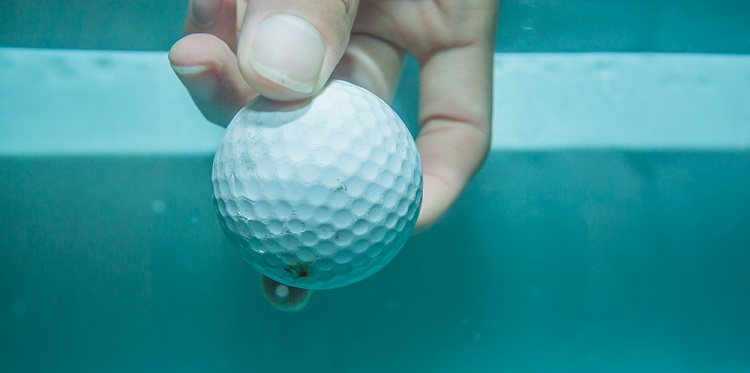
How to Clean Golf Balls
The best way to clean golf balls is to soak them in warm water with mild soap or dishwashing liquid, then gently scrub them with a soft toothbrush or microfiber towel to remove dirt from the dimples and restore spin, flight, and control.

For golfers of any skill level, from players practicing with range balls to those trying to protect premium equipment, clean golf balls can improve distance, accuracy, putting consistency, and overall feel by preventing debris from interfering with performance or wearing down the cover.
This guide explains why cleaning matters, walks through several safe methods using common household items, highlights mistakes to avoid, and finishes with simple maintenance, storage, and FAQ advice to help your golf balls last longer.
Why Keeping Your Golf Balls Clean Matters
Dirt, dried mud, and sand filling the dimples on your golf balls alter their aerodynamics.
When grit fills those small impressions, it reduces backspin on your approach shots and causes unpredictable flight paths during a drive.
- Enhanced Flight Accuracy: Clean dimples slice through the air efficiently, preserving intended trajectories.
- Consistent Putting: Grit-free balls roll smoothly on green surfaces without veering offline.
- Extended Gear Lifespan: Regular cleaning prevents dirt from permanently staining or wearing down the outer cover.
- Better Spin Control: Clean surfaces maximize friction between your club face and the ball.
5 Safe Methods to Clean Golf Balls at Home
You don’t need an expensive commercial ball washer or a trip to a local car wash to keep your gear in top condition. These simple techniques rely on standard household items to get the job done right.
Method 1: The Warm Water and Mild Soap Bucket Soak
This is the classic, reliable approach for everyday cleaning without risk of surface damage.
Even though the cleaning-tools market is fairly limited, these simple household methods still help you achieve solid results with standard items you likely already have.
| Step | Action |
|---|---|
| 1. Prepare the Solution | Fill a bucket with warm water and add a small amount of liquid soap or dish detergent. Mix well. |
| 2. Soak | Drop your golf balls inside the bucket and let them soak for about an hour to loosen caked-on dirt. |
| 3. Scrub and Rinse | Use a microfiber cloth or soft toothbrush to gently scrub the remaining dirt. Rinse thoroughly with clean water. |
| 4. Dry | Wipe each ball with a dry towel and let it air-dry completely before returning it to your golf bag. |
Method 2: The Toothbrush and Hydrogen Peroxide Method
For yellowed or heavily stained balls, hydrogen peroxide offers a safe, reliable clean for everyday use while improving the effectiveness of stain removal without using harsh industrial chemicals.
- Mix a solution of equal parts warm water and hydrogen peroxide in a bowl or small container; a 5-gallon bucket works well for larger batches with water and soap.
- Soak the balls for 30 to 45 minutes to break down grass stains and ground-in grime.
- Take a soft toothbrush to target stubborn grime tucked into individual dimples.
- Rinse with clear water and wipe dry with a clean cloth.
Method 3: Using the Dishwasher (Top Rack Only)
Cleaning large loads of practice or range balls quickly is easy using a dishwasher, and this method can work well even for yellowed or heavily stained balls if you take a few precautions.
Denture whitener can also effectively clean golf balls and help remove stubborn stains as an alternative soak option.
- Place the balls securely on the top rack inside a dishwasher-safe utensil basket or mesh bag.
- Skip the heavy-duty heated drying cycles, as extreme heat can damage the cover or internal core material.
- Add a standard, mild dishwashing detergent (avoid products with bleach or harsh abrasive additives).
- Run a normal cycle, turn the dishwasher on, remove immediately after the rinse, and air dry on a dry towel.
Method 4: The Pillowcase and Washing Machine Technique
If you need to process dozens of golf balls at once, an old washing machine can do the heavy lifting safely, and this method can also work for quick DIY cleanups.
- Place up to 30 to 40 golf balls inside a thick pillowcase or dedicated laundry bag.
- Tie the pillowcase securely at the top so no balls slip out during the spin cycle.
- Add old towels to the load as stuffing; this dampens the noise and protects the machine’s drum.
- Set the washer to a gentle or delicate cycle using cold or warm water and mild detergent.
- Run the dishwasher on a normal cycle, then remove the balls after the rinse and let them air-dry on a flat surface.
A nylon drill-bit brush is another fast option for cleaning large batches before rinsing.
Method 5: Spot Cleaning with Nail Polish Remover
For scuffs, tree sap, or permanent marker lines, this method can work well when you need to process dozens of balls at once.
- Apply a small amount of acetone-based nail polish remover to a cotton ball or microfiber cloth, or place balls in a laundry bag or pillowcase for batch handling before spot-treating.
- Gently wipe the scuffed area using light hand pressure.
- Immediately rinse the ball with clean water to ensure acetone does not eat into the outer layer.
- Wipe dry with a clean towel.
Common Golf Ball Cleaning Mistakes to Avoid
While restoring old gear saves money, using the wrong products or extreme techniques can permanently ruin your balls’ performance, so treat these as practical care advice.
Bleach Treatments
Never soak golf balls in heavy chlorine bleach. It strips the protective clear coat, yellows the outer material over time, and alters feel. Rubbing alcohol can also effectively remove player ID marks and logos.
Boiling Water
Avoid extremely hot or boiling water. High heat can warp the internal core materials, causing unpredictable flight paths and distance loss.
Harsh Abrasives
Wire brushes or overly coarse scouring pads scratch the outer plastic layer, degrading aerodynamic efficiency.
Direct Heat Drying
Never dry your golf balls inside a clothes dryer or under direct high-heat guns. Always prefer natural air drying, and if you use any solvent, rinse promptly to ensure it doesn’t affect the outer layer.
How to Maintain and Store Your Gear
Keeping older gear ready for the course takes a practical approach to avoiding damage while cleaning it on and off the fairway.
On-Course Care
Keep a wet towel clipped to your golf bag during rounds to wipe away fresh mud after each shot, and buy replacements after play rather than swapping in dirty balls mid-round.
Use On-Site Washers
Take advantage of the ball washer stations located on tee boxes across the golf course.
Proper Storage
Store clean, dry balls in a cool, dark place inside your golf bag or a designated storage bin. Avoid leaving them in a hot car trunk, which degrades cover integrity over time.
How to Clean Golf Balls
Frequently Asked Questions
What is the best thing to clean golf balls with?
The best way to clean golf balls is a simple solution of warm water and mild dish soap, combined with a soft-bristled toothbrush or microfiber cloth.
This gentle cleaning solution effectively breaks down stubborn dirt, grass stains, dried mud, and sand without damaging the delicate outer urethane or ionomer cover of your golf balls.
Avoid harsh chemicals, bleach, and overly hot water to help the ball retain its structural integrity, spin performance, and aerodynamic dimple profile.
For stubborn scuffs or marker lines, spot-treat with a small amount of nail polish remover on a cotton pad.
Follow up with a clean water rinse and let them air-dry on a dry towel to keep your gear in top condition for your next round.
Can you use Dawn dish soap to clean golf balls?
Yes, you can safely use Dawn dish soap to clean golf balls because its mild, grease-cutting formula breaks down caked-on dirt without stripping protective outer coatings.
To clean your golf balls with Dawn, simply fill a small bucket with warm water, add a small amount of soap, and stir to mix the solution evenly.
Place your dirty golf balls in the bucket and soak them for about thirty to sixty minutes. After soaking, gently scrub each ball using a soft toothbrush or microfiber cloth to clean out the dimples.
Rinse the balls thoroughly with cold or lukewarm water to remove all soap residue, then wipe them dry with a clean towel.
This simple, affordable method leaves your golf balls spotless and ready for peak performance without risking long-term surface damage.
How do I clean my balls correctly?
To clean your golf balls correctly, soak them in a bucket of warm water with mild liquid soap for about thirty minutes to loosen embedded mud and debris.
After soaking, use a soft toothbrush or microfiber cloth to gently scrub each golf ball dimple, removing any remaining dirt, sand, or grass stains without scratching the outer cover.
Avoid using boiling water, wire brushes, or harsh household chemicals like bleach, as these can warp the inner core or ruin the ball’s outer finish.
Once scrubbed, rinse the balls completely under clean running water to remove soap buildup. Finish by drying them with a clean towel and letting them air-dry fully before storing them back in your golf bag.
A portable ball washer is available for $37.99. You may want one if your home course lacks washer stations. This step-by-step approach restores flight accuracy, spin control, and feel on the green, which can help your game.
How to make golf balls whiter?
To make yellowed or discolored golf balls whiter, soak them in a gentle cleaning solution of warm water mixed with hydrogen peroxide or dilute white vinegar for roughly an hour.
These mild oxidizing agents lift stubborn organic grass stains, dirt residue, and discoloration without stripping or damaging the outer plastic coat.
For persistent scuffs, dark lines, or tree sap, dab a small amount of nail polish remover onto a cotton pad and carefully wipe the affected area.
Avoid soaking golf balls in heavy chlorine bleach, which weakens the outer material and permanently yellows clear coats over time.
After treating, rinse the golf balls thoroughly in fresh water, wipe them down with a dry towel, and leave them to air dry completely before storage to maintain maximum visibility, brightness, and performance on the golf course.